
The Nature of Truth and Faith
The Da Vinci CodeThe novel questions the nature of historical truth and religious faith, suggesting that faith is a matter of personal belief rather than literal fact.
increasing Bearing strength in each event
 decreasing
Bearing strength in each eventdecreasingHistorical Truth vs. Faith
The Debate
Teabing's Argument
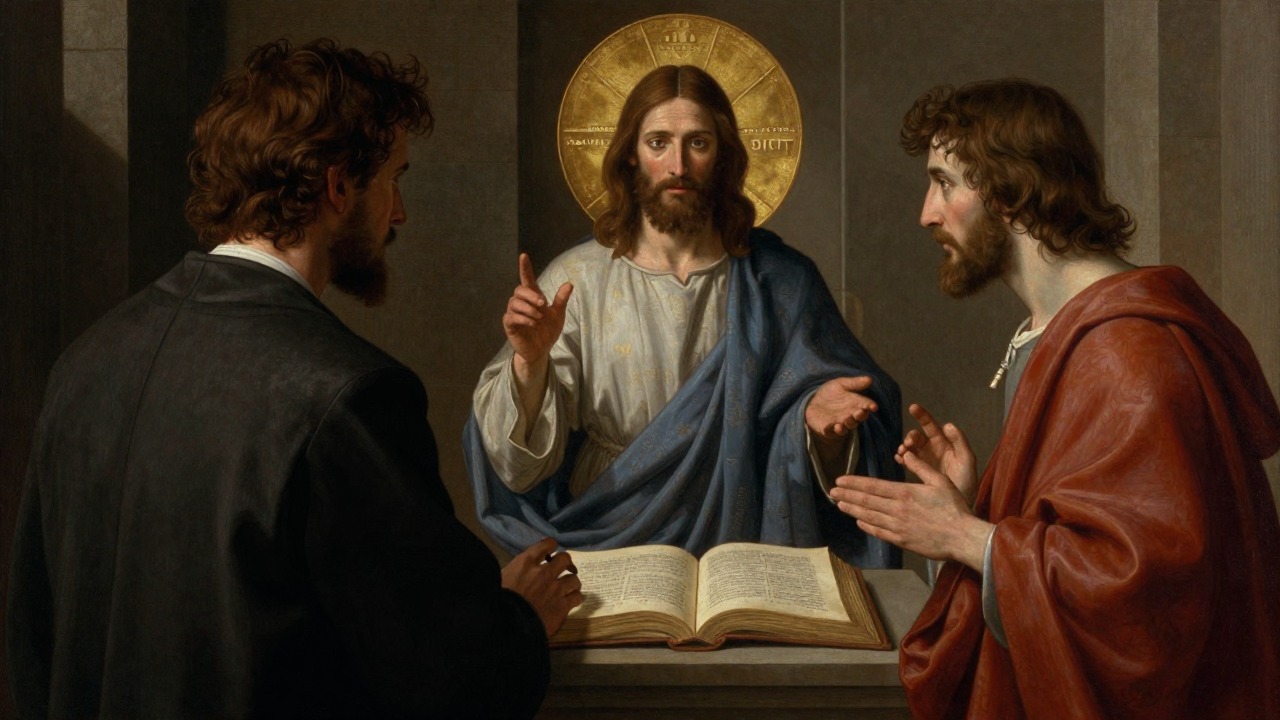
Teabing argues that the Church fabricated the divinity of Jesus and that the Sangreal documents contain the true historical record. He believes the world deserves the truth.
Langdon's Counter
Langdon argues that faith is based on acceptance of metaphor, not literal truth. He points out that all religions use allegory. The novel presents both sides, leaving the reader to decide.
The Power of Belief
The Characters' Faiths
Sophie's Journey
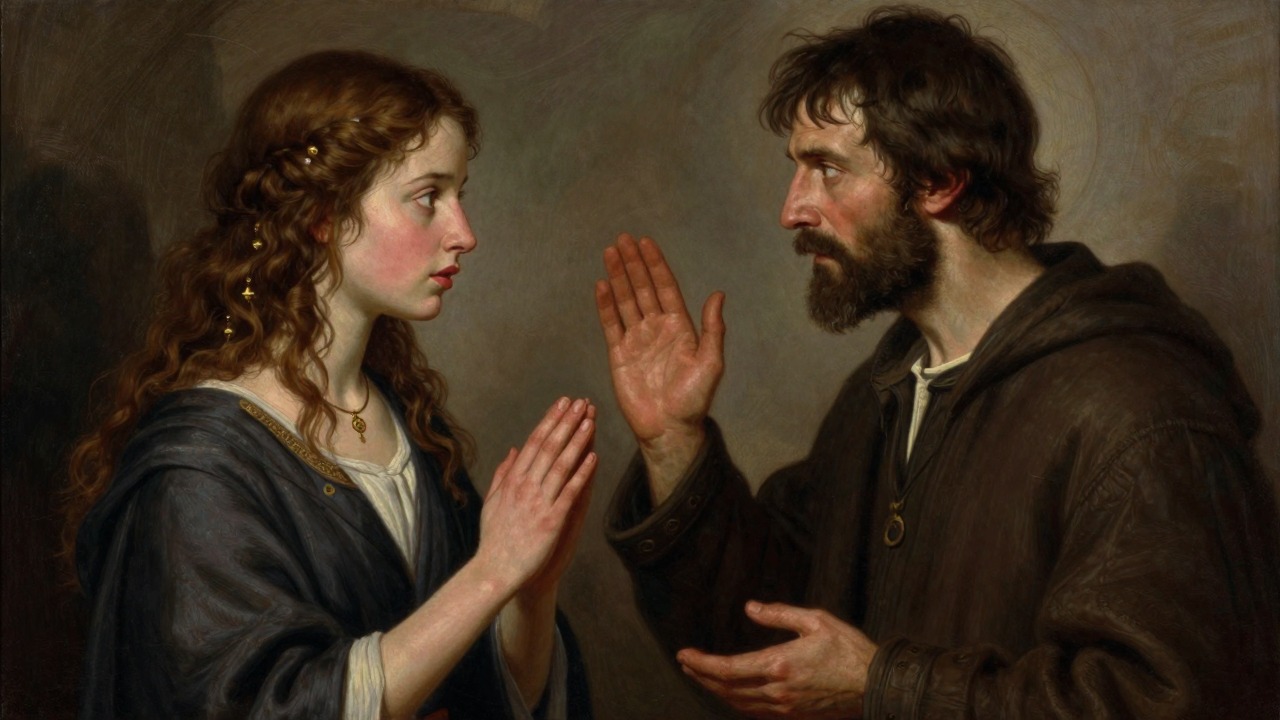
Sophie's faith in her grandfather is restored when she learns the truth. She comes to believe in the sacred feminine. Faith is shown as a personal, evolving thing.
Silas's Devotion
Silas's blind faith leads him to murder. The novel critiques fanaticism, showing that faith without reason can be destructive. The theme is that faith must be balanced with knowledge.
The Acceptance of Mystery
The Final Insight
The Choice
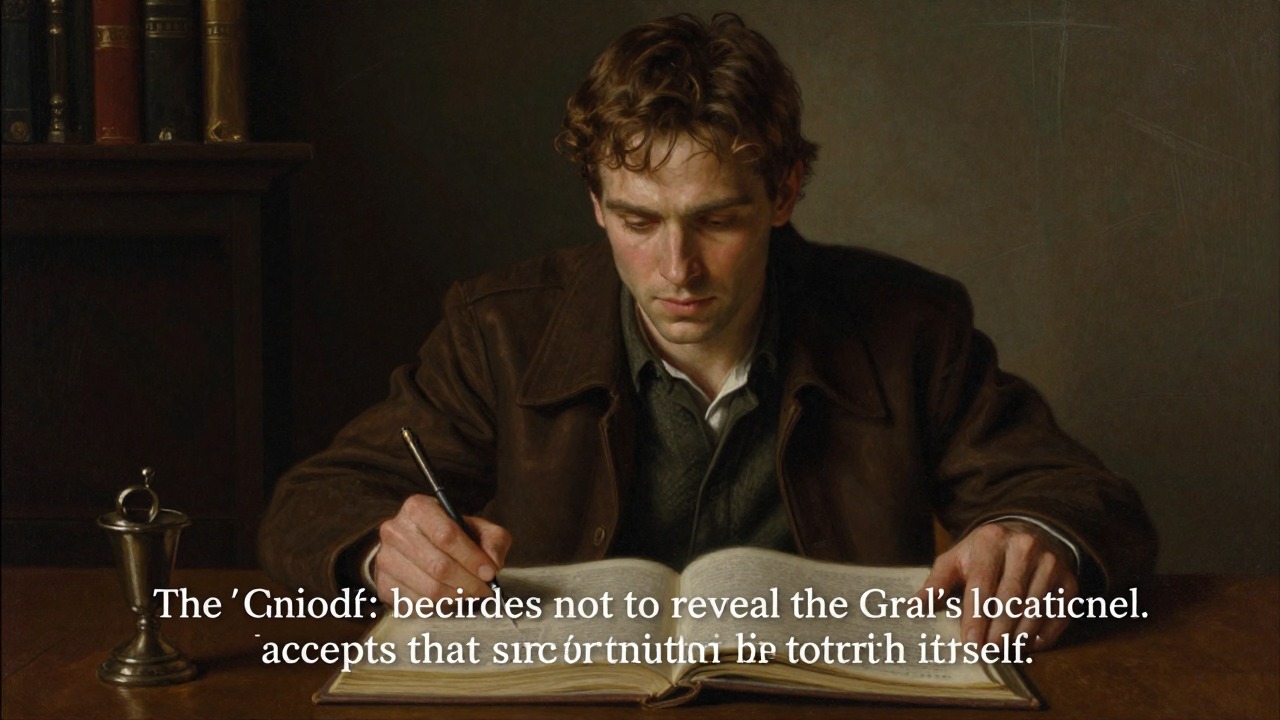
Langdon decides not to reveal the Grail's location. He accepts that some truths are better left to faith. The mystery endures, and that is part of its power.
The Lesson
The novel concludes that the quest for truth is more important than the truth itself. Faith is a journey, not a destination. The theme is that the Grail is a symbol of that journey.
At Château Villette and throughout
Throughout the story
At the end of the story
